Innovative Thermal Dome Concept Could Revolutionize Invisibility Technology
November 30, 2024 - 02:35
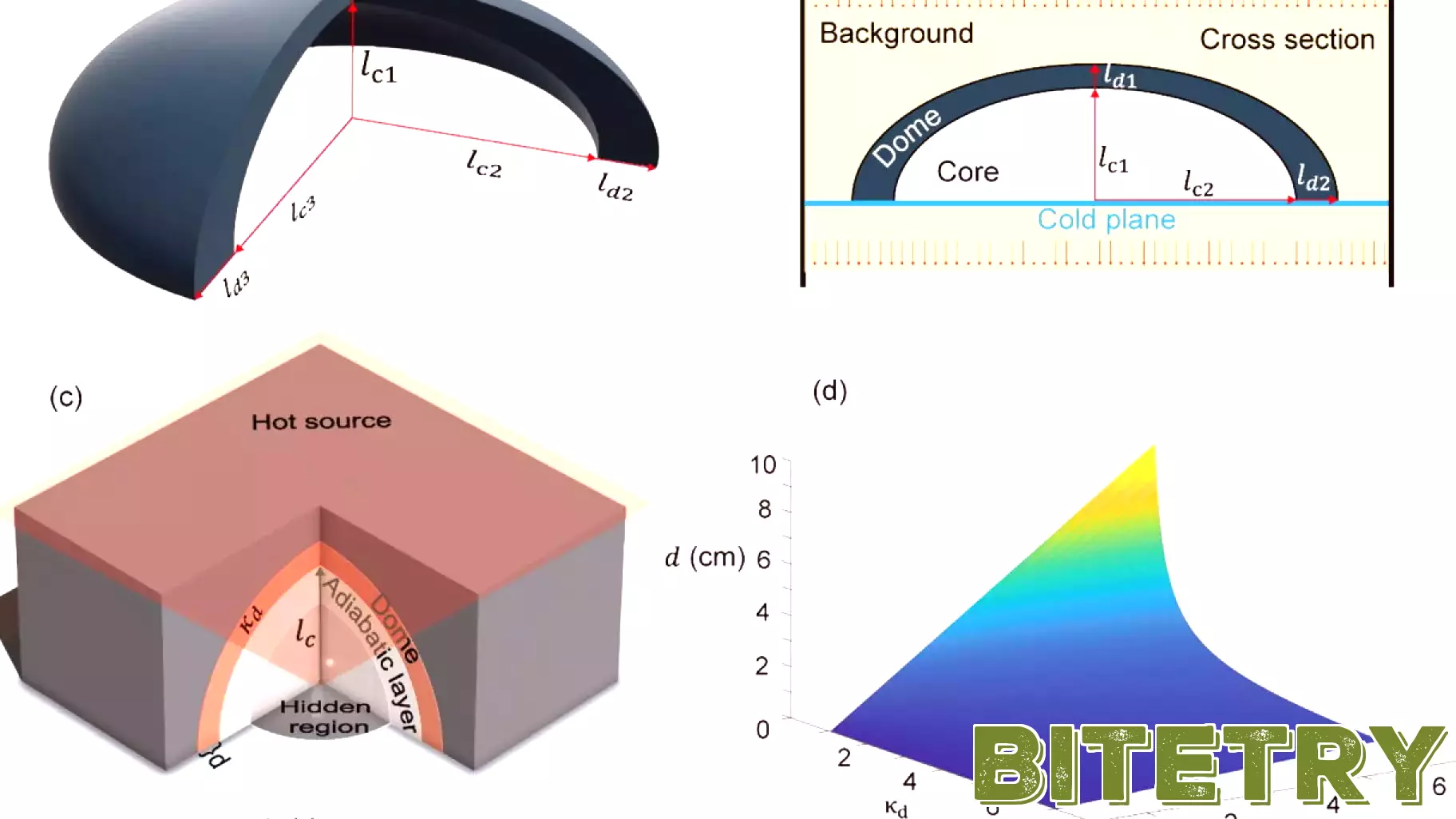
A research team from various institutions in China has introduced an innovative concept of a thermal dome that holds the potential to advance thermal invisibility technology significantly. This groundbreaking study explores the capabilities of the thermal dome, which aims to manipulate heat signatures in a way that could render objects nearly invisible to thermal detection.
The design of the thermal dome utilizes advanced materials and engineering techniques to create a structure that can effectively manage and redirect thermal radiation. By doing so, it may be possible to cloak objects from infrared sensors, which are commonly used in military applications, surveillance, and even wildlife monitoring.
The implications of this research are vast, potentially leading to enhanced stealth technology for defense systems and improved privacy measures in civilian contexts. As the team continues to refine their concept, the future of thermal invisibility technology looks promising, paving the way for new applications across various fields.
MORE NEWS

August 20, 2026 - 01:52
Oregon’s new privacy chief says it’s ‘Groundhog Day’ after time in NevadaWhen Michael Hanna-Butros Meyering took over as Oregon`s first chief privacy officer, he expected some differences from his previous role in Nevada. What he found instead felt like a rerun....

August 19, 2026 - 12:31
CACI opens new defense technology manufacturing facility in RochesterCACI International has officially opened a new manufacturing facility in Rochester, a move that brings advanced defense technology development, testing, and assembly under one roof. The site is...

August 18, 2026 - 19:48
Gorilla Technology Rises 3% as AI Infrastructure Momentum Builds: How GRRR Compares With PalantirA fresh analyst call has put Gorilla Technology in the spotlight, with a bullish price target of $44 set on shares that currently trade around the $15 mark. The stock responded with a 3% gain as...

August 18, 2026 - 01:17
Align Technology makes transformational gift toward construction of indoor football practice facilityWhen Align Technology Chief Financial Officer John Morici looks out from his office on Tempe Town Lake, he can see Mountain America Stadium, home of Arizona State Sun Devil Football. In two years,...